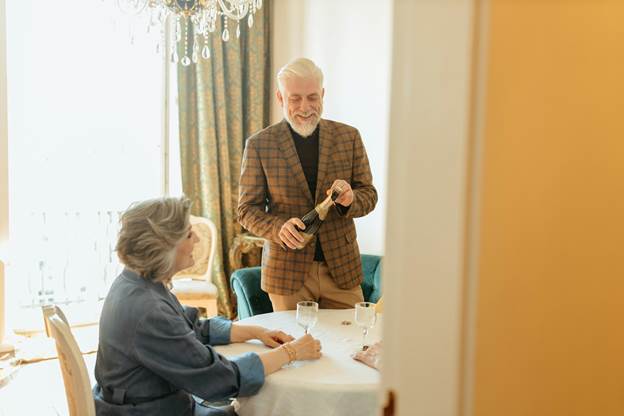
The environment in which seniors live has a profound influence on their overall well-being. While factors such as care, safety, and social engagement are often emphasized, the physical surroundings themselves play an equally important role. Among these environmental elements, natural light and access to outdoor areas stand out as powerful contributors to both physical and emotional health.
Modern senior living communities are increasingly designed with these features in mind. By incorporating sunlight and nature into everyday life, they create spaces that feel more vibrant, calming, and supportive. Understanding how these elements impact well-being can help families and individuals make more informed decisions about senior living environments.
The Role of Natural Light in Daily Health
Natural light plays a critical role in regulating the body’s internal clock, also known as the circadian rhythm. This cycle influences sleep patterns, energy levels, and overall mood throughout the day. For seniors, maintaining a consistent rhythm is especially important for promoting restful sleep and reducing fatigue.
Exposure to sunlight helps the body produce vitamin D, which supports bone health and immune function. As people age, maintaining adequate levels of this vitamin becomes increasingly important. Access to natural light can therefore contribute to both immediate comfort and long-term health benefits.
In addition, well-lit spaces create a more positive and uplifting atmosphere. Bright environments tend to improve visibility and reduce strain on the eyes, making daily activities more comfortable and safe. Simple design choices that maximize sunlight can have a meaningful impact on overall quality of life.
Enhancing Mood and Emotional Well-Being
Natural light is closely linked to emotional health. Spaces filled with sunlight tend to feel more open and inviting, which can help reduce feelings of stress or isolation. For seniors, who may already face emotional challenges related to life transitions, this can make a significant difference.
Sunlight has been shown to support the production of serotonin, a neurotransmitter associated with feelings of happiness and relaxation. Increased exposure to natural light can therefore contribute to a more positive outlook and improved mental well-being.
Comfortable, sunlit environments also encourage residents to spend more time in shared spaces. This increased visibility and openness often lead to more frequent social interaction, which further supports emotional health and connection.
Encouraging Social Interaction Through Design
Outdoor and sunlit spaces naturally lend themselves to social interaction. Residents are more likely to gather in areas that feel comfortable and enjoyable, leading to spontaneous conversations and shared experiences. These interactions play a key role in building relationships and fostering a sense of community.
In communities that offer Assisted Living in Anaheim, outdoor courtyards and well-lit common areas are often central features of the design. These spaces are intentionally created to bring residents together while still allowing for moments of quiet reflection. The balance between social and personal space supports a more fulfilling lifestyle.
Regular interaction with others helps reduce loneliness and contributes to a stronger sense of belonging. By encouraging connection in natural and inviting settings, communities can enhance both emotional well-being and overall satisfaction.
Supporting Cognitive Health and Engagement
Natural light and outdoor access also play a role in supporting cognitive health. Exposure to varied environments and sensory experiences helps stimulate the mind and maintain mental sharpness. This is particularly important for seniors who want to stay engaged and mentally active.
Time spent outdoors can break up daily routines and provide new experiences, even in small ways. Changes in scenery, weather, and seasonal elements all contribute to a dynamic environment that keeps residents mentally engaged. These subtle variations help prevent monotony and encourage curiosity.
Sunlit spaces indoors also make it easier to participate in activities such as reading, hobbies, or group events. Better lighting supports focus and reduces fatigue, making it more enjoyable to stay involved in daily life.
Creating a Sense of Comfort and Independence
A well-designed environment that incorporates natural light and outdoor access can greatly enhance comfort. Spaces that feel open and connected to the outside world tend to be more relaxing and inviting. This sense of comfort encourages residents to move freely throughout the community and make use of available amenities.
Independence is also supported through thoughtful design. Easy access to outdoor areas allows residents to spend time outside on their own terms, without barriers or limitations. This freedom contributes to a greater sense of control and confidence.
When residents feel comfortable and empowered in their environment, they are more likely to engage with their surroundings and maintain an active lifestyle. This combination of comfort and independence is essential for long-term well-being.
Conclusion
Natural light and outdoor areas play a vital role in enhancing senior well-being by supporting physical health, emotional balance, and social connection. These elements create environments that feel vibrant, calming, and engaging, allowing residents to enjoy a higher quality of life.
As senior living communities continue to evolve, the integration of these features will remain a key priority. By prioritizing access to sunlight and nature, these environments can provide meaningful benefits that extend far beyond basic care, helping seniors live with greater comfort, independence, and fulfillment.