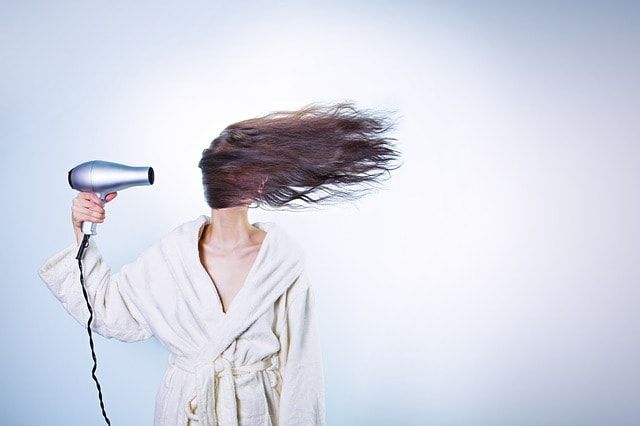
Hair care is not a one-size-fits-all routine that remains effective throughout the entire year. As the seasons change, so do the environmental conditions that affect the health and appearance of your hair. Temperature shifts, humidity levels, and exposure to elements like sun or wind can all influence how your hair behaves on a daily basis.
Adapting your routine to align with these changes can help maintain consistency in how your hair looks and feels. When you adjust your care habits with the seasons, you are better equipped to prevent damage and support overall hair health.
This approach allows you to stay proactive rather than reactive when it comes to maintaining strong, manageable hair.
Understanding How Weather Impacts Hair
Each season presents its own challenges, and understanding these differences is key to building an effective routine. In warmer months, increased humidity can lead to frizz and a lack of control, especially for those with naturally wavy or curly textures. On the other hand, colder months often bring dry air that can strip hair of moisture and leave it feeling brittle.
Sun exposure is another factor that can significantly affect hair, particularly during the summer. Prolonged exposure can lead to dryness, fading color, and weakened strands. During winter, indoor heating can contribute to similar dryness, making it essential to maintain hydration.
By recognizing these seasonal influences, you can make informed adjustments that protect your hair throughout the year. This awareness helps you anticipate changes rather than being caught off guard by them.
Adjusting Your Hydration Routine
Moisture is one of the most important elements of hair care, and its importance becomes even more apparent during seasonal transitions. In colder months, heavier conditioning treatments can help restore lost hydration and maintain softness. Deep conditioning masks used regularly can prevent dryness and improve manageability.
During warmer months, lighter products may be more suitable. Heavy conditioners can sometimes weigh hair down, especially in humid conditions. Switching to lightweight, hydrating formulas helps maintain balance without sacrificing volume.
Rethinking Your Styling Approach
Styling routines often need to evolve alongside seasonal changes as well. In humid weather, heat styling can sometimes make hair more prone to frizz or loss of shape. Embracing more natural styles or using anti-frizz products can help maintain a polished look with less effort.
In contrast, colder months may require more protective styling to shield hair from dry air and friction caused by hats and scarves. Simple adjustments, such as looser hairstyles or reduced heat usage, can help prevent unnecessary damage. Being flexible with your styling approach ensures your hair stays resilient under changing conditions.
For those seeking added volume or coverage during these adjustments, a human hair topper can provide a natural-looking enhancement. These additions can help maintain a consistent appearance even when environmental factors make styling more challenging.
Protecting Hair from Seasonal Damage
Protection is an essential part of any seasonal hair care routine. In the summer, shielding your hair from UV exposure can help prevent dryness and color fading. Wearing hats or using protective sprays can reduce the impact of intense sunlight.
During colder months, the focus often shifts to protecting hair from dryness and friction. Scarves and coats can cause rubbing that leads to breakage, particularly at the ends. Choosing softer fabrics or adjusting how you wear these accessories can make a difference.
Preventative care is often more effective than trying to repair damage after it occurs. By incorporating protective measures into your daily routine, you can preserve the integrity of your hair throughout the year.
Maintaining Scalp Health Year-Round
The scalp plays a critical role in overall hair health, and it too is affected by seasonal changes. Dry weather can lead to flakiness or irritation, while warmer conditions may increase oil production. Adjusting your scalp care routine ensures that your hair has a healthy foundation to grow from.
Gentle exfoliation or clarifying treatments can help remove buildup during more humid months. In colder seasons, focusing on hydration and avoiding overly harsh products can prevent irritation. Paying attention to how your scalp responds allows you to tailor your approach for better results.
Creating a Flexible Routine That Evolves
One of the most effective ways to manage seasonal changes is by building a routine that is flexible rather than rigid. Instead of sticking to the exact same products and techniques year-round, being open to adjustments allows you to respond to your hair’s changing needs. This adaptability helps you maintain consistency in results, even when conditions shift.
It can be helpful to evaluate your routine at the start of each season and make small, intentional updates. These do not need to be major changes, but rather thoughtful refinements based on what your hair is experiencing. This ongoing process keeps your routine aligned with your goals.
Conclusion
Changing your hair care routine with the seasons is a practical and effective way to maintain healthy, beautiful hair year-round. By understanding how environmental factors affect your hair and making thoughtful adjustments, you can prevent damage and support consistent results. This proactive approach ensures that your hair continues to look and feel its best, no matter what the season brings.